
Maybe you first heard the word in a documentary. Maybe it was a Reddit thread, where one woman told another — almost in passing — that Japan has an entire industry of this, for women. And now here you are, typing “women’s fuzoku” into an English search bar, half fascinated, half unsure whether what you read is real. It is. This guide explains what the word actually means, what these women-only services do and don’t include, and whether a foreign woman can genuinely book one. (Short answer: yes.)
What Does “Fuzoku” Actually Mean?
“Fuzoku” (風俗) is one of those Japanese words that refuses to translate cleanly. Literally, it means something like “public morals and customs.” In everyday modern Japanese, however, it’s the umbrella term for the country’s legal, regulated adult entertainment industry — an industry that, for most of its long history, was built almost entirely around male customers.
That’s the version most foreigners meet first: the neon districts, the documentaries, the think pieces. So when the word finally reaches you, it usually arrives wearing a male face. Which makes what has happened over the past decade genuinely striking — Japan grew a women’s side of this world, with its own name, its own etiquette, and its own quietly devoted following.
Women’s fuzoku — josei-yō fūzoku (女性用風俗) in Japanese, romanized “joseiyou fuzoku” and shortened to jofū — is Japan’s women-only sensual service industry. A trained male therapist comes to your hotel room or home and delivers a session built entirely around your comfort, relaxation, and pleasure. The guests are exclusively women; men cannot book.
Josei-yō Fūzoku: How the Women’s Version Differs
The women’s industry is not a mirror image of the men’s, and understanding that difference is most of understanding jofū itself. Because it grew up answering what women actually asked for, it evolved a shape of its own:
- Therapists, not entertainers. The men in this industry are called therapists, and serious services treat that word seriously — selecting for character, then training in touch, hygiene, and above all listening.
- Conversation before anything else. Every session opens with counseling time, where you talk through what you want, what you don’t, and what you’re nervous about. Nothing begins until you’re ready.
- Your territory, not theirs. The standard format is outcall: the therapist comes to your hotel room or home. There is no storefront you have to be seen walking into.
- You receive; you don’t perform. The session flows in one direction — toward you. There is no expectation to reciprocate, and no “right way” to respond.
MIKADO (帝) is one of the leading names in this space. Founded in September 2021, it now operates 23 locations nationwide — 8 directly managed and 15 franchise — with about 140 male therapists and roughly 40,000 sessions delivered. If you want the full picture of what a first appointment feels like, the complete first-timer’s guide to erotic massage for women in Tokyo walks through it in detail.
What a Session Includes — and Where the Line Is
A typical session has a deliberate rhythm. It opens with that counseling conversation, moves to a shower taken at your own pace, and then unfolds as a full-body sensual treatment — warm, unhurried touch that deepens gradually into a more intimate experience, always at a tempo your body sets. You define the boundaries beforehand, you can redraw them mid-session, and you can stop at any time. The step-by-step flow of a session is published openly, because knowing what comes next is half of being able to relax into it.
Just as important is what a session is not. It isn’t a date you have to entertain, and it isn’t a gray-zone transaction with unspoken expectations. The scope is explicit, and it protects you.
Who Actually Uses It? Japanese Women, Honestly
One of the quiet surprises for foreign readers is how ordinary the clientele is. The women who book these sessions include wives in sexless marriages — a widespread and well-documented reality in Japan — alongside single women tired of what dating apps deliver, women who have gone years without being touched with any care, and women who are simply curious how much their body can feel. Guests span every age and background.
The numbers tell the same story. At MIKADO alone, roughly 40,000 sessions have been delivered since 2021. Among first-time guests, about 60% return. Whatever image the word “fuzoku” carried when you first heard it, the reality of the women’s side is closer to self-care with depth — and you can read what women say after their first session in their own words.
Can Foreign Women Use It? (Yes — Here’s What to Know)
This is usually the last question, and it’s probably the one that brought you here. On Reddit and travel forums, the knowledge already travels woman to woman — one commenter pointing another to the term josei-yō fūzoku, and noting that some Tokyo services now have English-speaking therapists.
That advice is accurate. MIKADO’s Tokyo service is outcall, running from 08:00 until late at night, and it keeps a roster of English-speaking therapists precisely because foreign guests keep arriving through threads like that one. Practically speaking, here is what you need:
- A hotel room (or home) in Tokyo — most foreign guests simply use the hotel they are already staying in
- Courses start from ¥15,000; the current menu is on the official pricing page
- Requesting a specific therapist adds ¥1,000–¥10,000 depending on his rank — worth it when a profile catches you
- Transportation is free around Shinjuku, Shibuya, Ikebukuro, and Kinshicho stations, and a flat ¥500 elsewhere in Tokyo’s 23 wards
- No tipping — the price you see is the price you pay
- Prefer to call? English is fine: 080-4403-5354
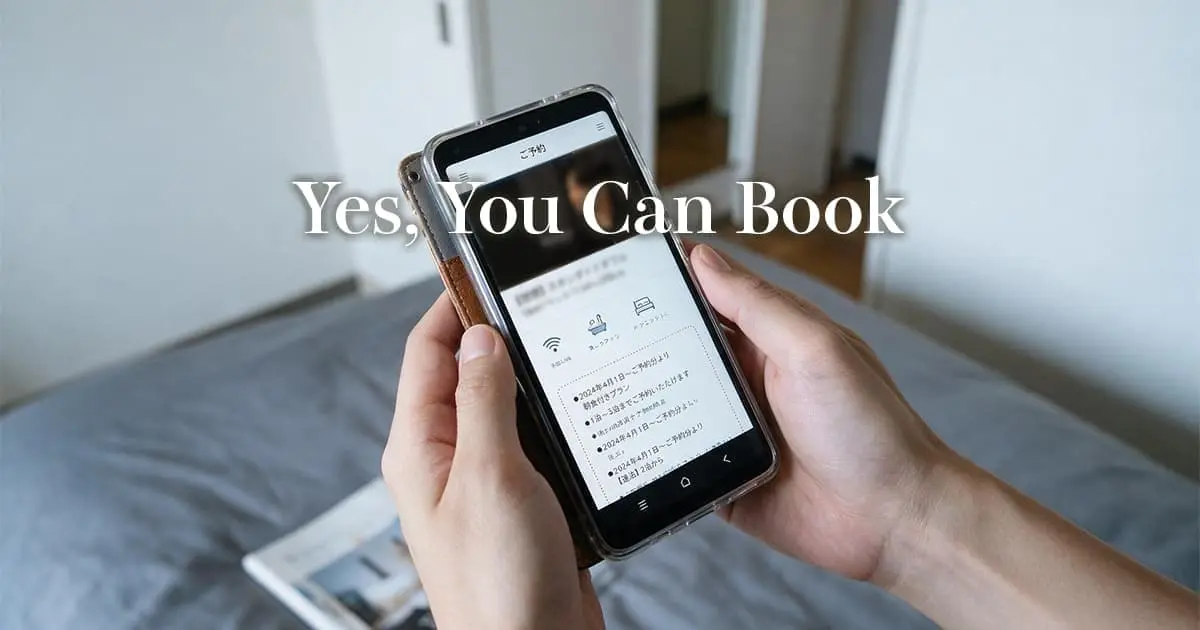
And when you’re ready for the mechanics — choosing a therapist, filling in the form, arranging the hotel — the step-by-step English booking guide covers every screen and every message.
Women’s Fuzoku FAQ
Is women’s fuzoku legal in Japan?
Yes. These services operate within Japan’s regulated adult entertainment framework, and as a guest you are not doing anything illegal by booking one. Because this is the single most common worry among foreign women, there is a dedicated guide to whether women-only sensual massage is legal in Japan that answers it thoroughly.
What does “jofū” mean?
Jofū (女風) is simply the everyday abbreviation of josei-yō fūzoku — the way Japanese women actually say it online and among friends. If you see the romanized “jofu” in a tweet, a blog, or a subreddit, it refers to exactly the world this article describes: sensual services where the client is always a woman.
Is this the same as hiring a male escort for women?
No — they are neighboring but distinct categories. Companion-style services sell time, conversation, and a date-like experience; women’s fuzoku sells a structured sensual session delivered by a trained therapist, with clear rules about what happens and what doesn’t. If you are weighing the two, this guide to male escort options for women in Tokyo lays out the differences and the legal landscape.
Do Japanese women really talk about this openly?
More and more. The industry has been covered by mainstream Japanese media and international documentaries, and inside it there is a whole culture — therapist profiles, photo diaries, monthly rankings — that women browse and discuss much the way you might compare boutique hotels. The stigma hasn’t vanished, but the conversation has clearly moved into the open.
The Word Was the Hard Part
Here’s the thing about searching “women’s fuzoku” in English: it means you have already crossed the widest gap. You found a word from another language for something you were curious about, and you followed it all the way here. Compared to that, what remains — reading a few profiles, sending a booking request, opening your door at the appointed hour — is simple. The industry on the other side of this word was built, from its very first day, so that exactly one person in the room matters. You.
Or explore everything MIKADO offers.
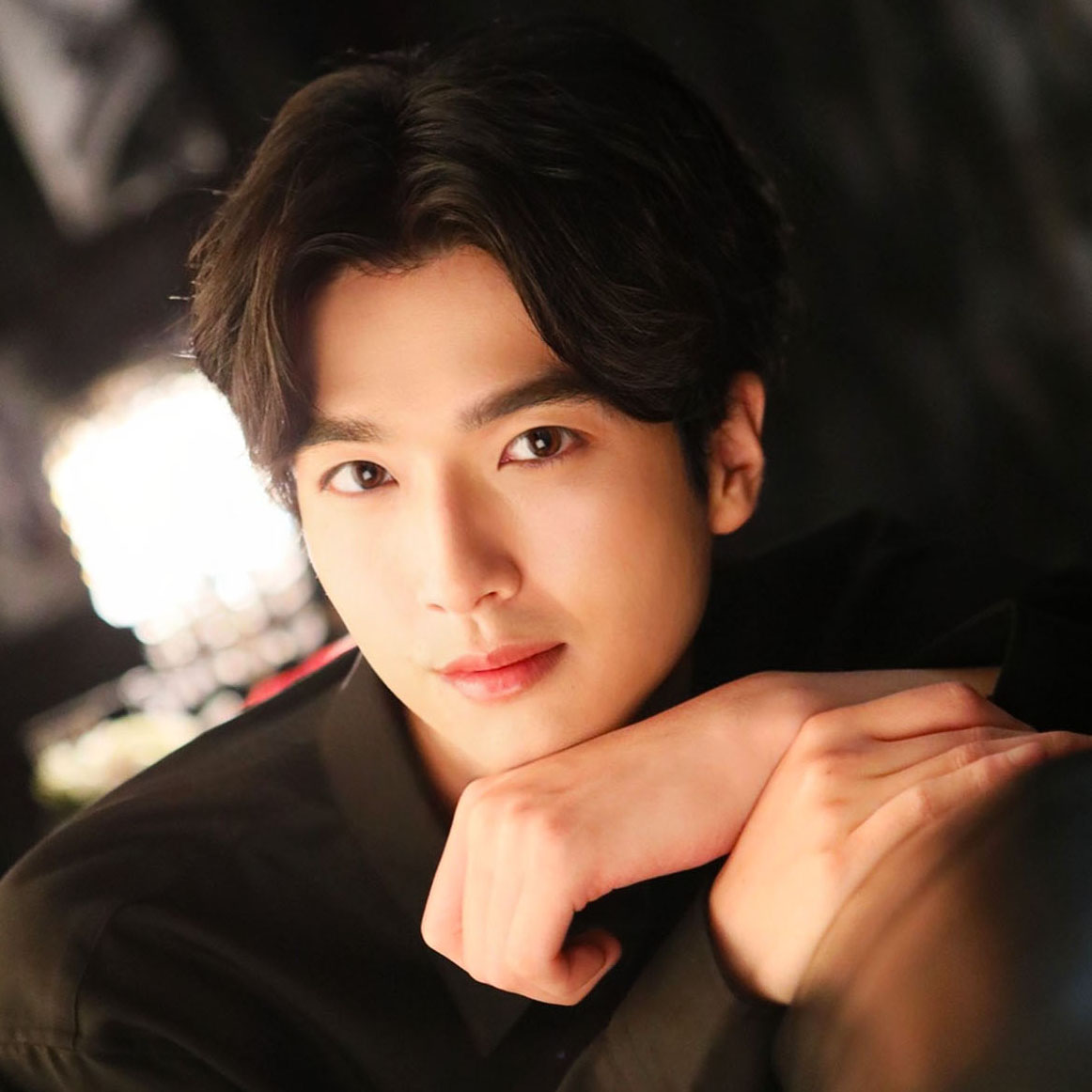
女性用風俗 帝グループのオーナー。セラピストとしても現役で活動しています。
2019年9月にセラピストとしてデビューし、前に所属していた店舗で7ヶ月連続の店舗No.1となり、新人研修の講師も務めました。2021年9月に独立して帝を立ち上げ、帝でも全国No.1を7ヶ月連続で獲得しました。
米国催眠士協会(NGH)認定の催眠療法士。FODショートドラマ「女性用風俗」の監修、ぴゅあらば主催の女風セラピスト総選挙2025で関東1位。各種メディアの出演・取材も受け付けています。
「全ての女性の性の悩みを解決し、本当の快感を知ってもらいたい」という理念のもと、帝グループを全国23店舗で運営しています。


